THE TENSION DILEMMA
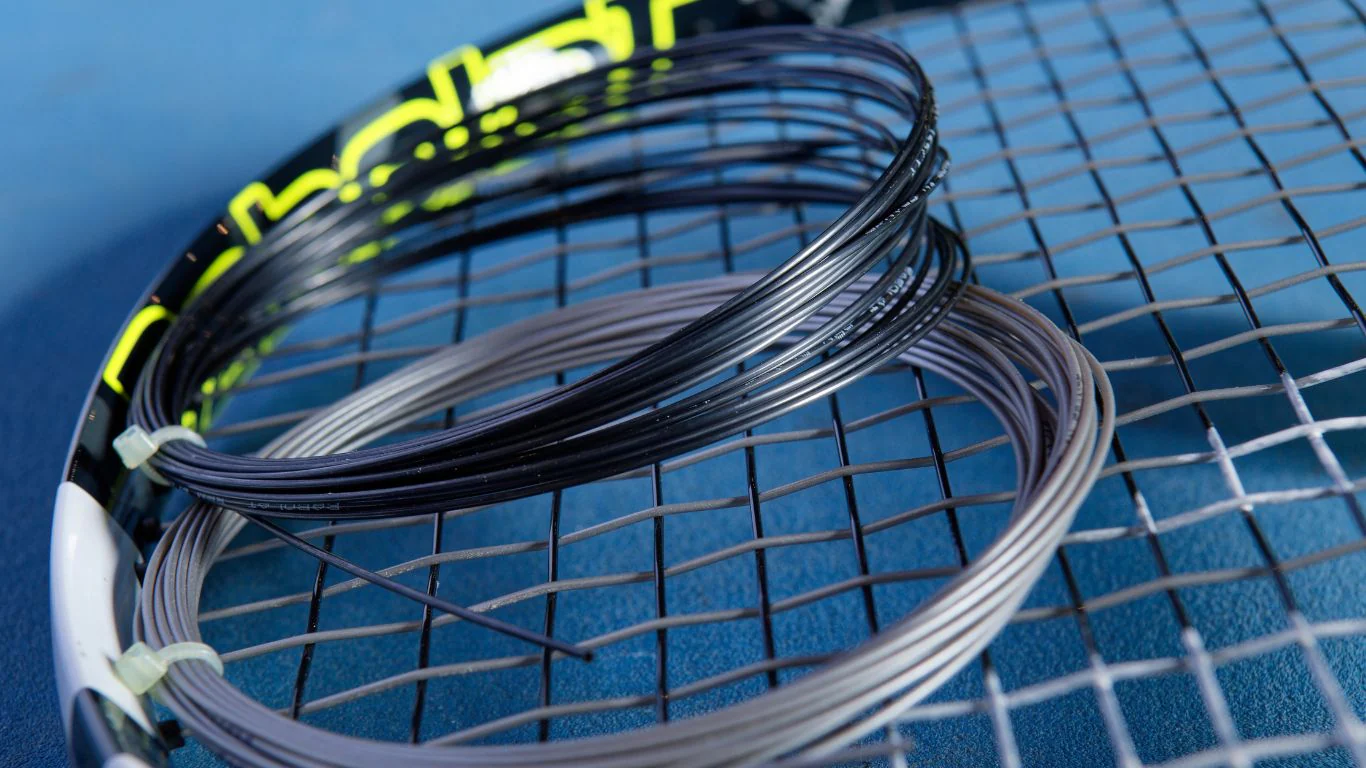
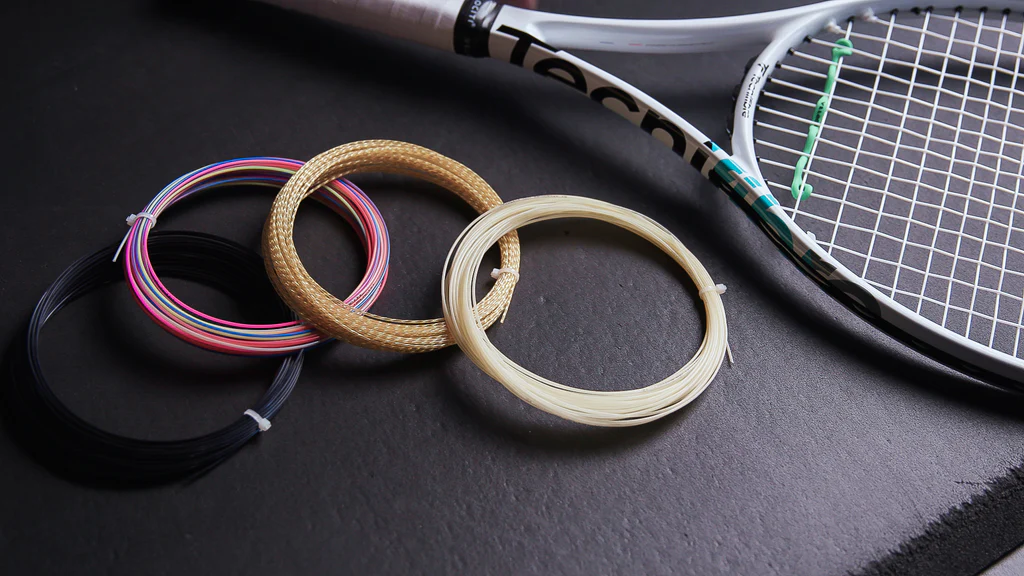
Every player eventually hits a wall where their swing mechanics aren't the problem—their gear is. String tension is the most misunderstood metric in tennis. If your racket is your weapon, your strings are the engine.
LOOSER STRINGS: THE TRAMPOLINE EFFECT
Lower tension (typically 45-50 lbs) allows the string bed to stretch and snap back upon impact. This creates a trampoline effect, offering massive, effortless power and deep baseline clearance. The tradeoff? You lose pinpoint accuracy. If you are struggling to get the ball deep, drop your tension.
TIGHTER STRINGS: PINPOINT PRECISION
Higher tension (55-60+ lbs) creates a stiff string bed. The ball leaves the strings faster with less dwell time. You have to generate your own power, but the ball goes exactly where you aim. Aggressive baseline hitters who swing fast prefer higher tension to keep the ball inside the lines.
FINDING THE ZONE
Don't guess. Start at the recommended middle tension printed on your racket's throat. If your balls are flying long, tighten up. If your arm hurts or your shots are landing short, string it looser.